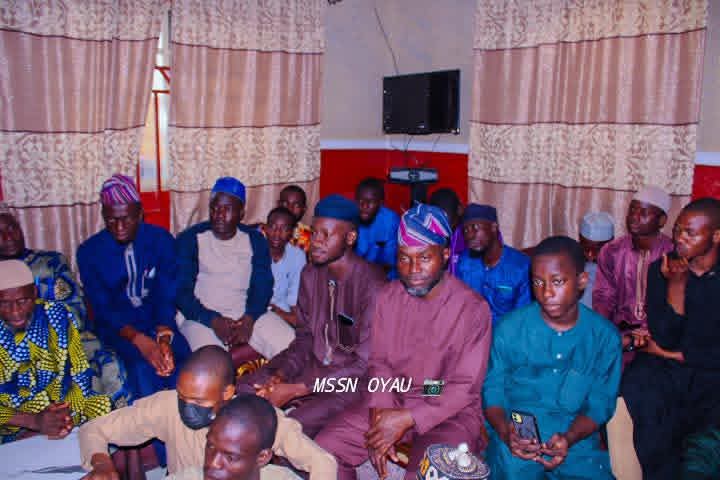
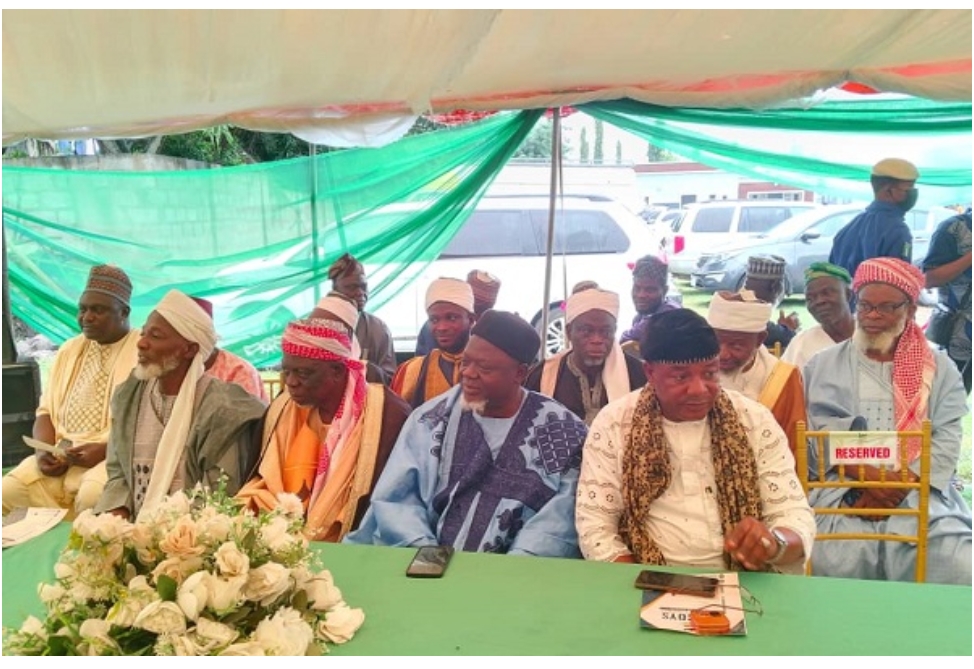
The Muslim Community of Oyo State (MUSCOYS) inaugurated a new executive committee responsible for guiding the community’s affairs over the next three years.
The inauguration ceremony took place at the MUSCOYS secretariat in Ibadan on Sunday.
Kazeem Gbadamosi, SAN, has been appointed as the chairman, with Lawal Olalere serving as the deputy chairman. The vice chairmen include Olasupo Abubakri Adeyemi, AbdulAkeem Ayoade Raji, Quadri Olohunlolowo, Daud Salaudeen Bibire, Najeemdeen Morawo, and Amzat Mumuni.
Additional executive members comprise Professor Taofeeq Yekinni as secretary-general; Dr. Jimoh Wasiu Ademola as deputy secretary-general; and Dawood Mansour, Belawu Yinusa Olanrewaju, Musibau Wasiu Moyosore, Adesokan Teslim Oyewunmi, Bello Sirajudeen Adewale, and Salami Lasisi Adebayo as assistant secretaries-general.
Adesokan Isiaka Ayokomi has beent inaugurated as treasurer, while Sanni Risikat Adebola assumes the role of assistant treasurer. Ojebisi Mujidat Folashade has been appointed as assistant financial secretary, with Maruff Olabamiji Yusuf serving as public relations officer and Alimi Yusau Ayotunde as welfare officer.
Other notable members include Wasiu Akorede Lamidi as legal officer; Imam Abdul-Jelil A. A. Olajori as Da’wah officer; and Alhaji Ishaq Kunle Sanni, Alhaji Murisiku Abidemi Siyanbade, and Tajudeen Adeniji as ex-officio members.
Dr. Olayide Mojeed Ladipupo and Alhaja Nusirat Bakare have been inaugurated as members of the management board for the Oyo State Muslim Hospital in Ibadan.
The event was graced by the Executive Secretary of the Muslim Ummah of South West Nigeria, Professor Wole Abass; Grand Chief Imam of Oyoland, Sheikh Bilal Akinola Akewugberu; Baba Isale Musulumi of Oyo State, Chief Nureni Akanbi; and the outgoing chairman of the community, Alhaji Isiaq Kunle Sanni.
In his keynote address, Professor Afeez Oladosu, former Dean of the Faculty of Arts at the University of Ibadan, urged political and public office holders to view leadership as a service opportunity rather than a means for illicit wealth acquisition.
Professor Oladosu, an expert in Arabic and Islamic Studies, emphasized that individuals in positions of authority would ultimately be held accountable for their actions.
“In my presentation, I conveyed to the attendees that each of us will be accountable for our deeds. We should perceive positions of authority as a service to God and humanity, rather than a service to ourselves,” he stated.
He encouraged political aspirants in light of the upcoming general elections to utilize public office to serve humanity and enhance the welfare of the underprivileged.
The newly appointed chairman, Gbadamosi, expressed that his administration would collaborate with the Oyo State Government to improve public school conditions as part of efforts to address social challenges.
“Most importantly, I stated that we will engage with the government to enhance the conditions of public schools in Oyo State, as improving school environments is essential for safeguarding the future,” he remarked.
Additionally, he indicated that the community would promote the payment of Zakat and Sadaqah among Muslims, ensuring that such funds are directed to those in need as part of initiatives to alleviate poverty.
Four individuals—Alhaji Waheed Amoo, Dr. Taofeek Adekunle Abdul-Hameed, Professor Adewale Musa Olomu, and Alhaji Yekeen Balogun—were also recognized for their contributions and selfless service.
Akewugberu emphasized that Muslim unity throughout the state would fortify Islamic solidarity and foster greater cooperation within the Ummah.
He characterized this development as a “reawakening process” that could enhance Islamic consciousness in Oyo State and the broader South-West region.