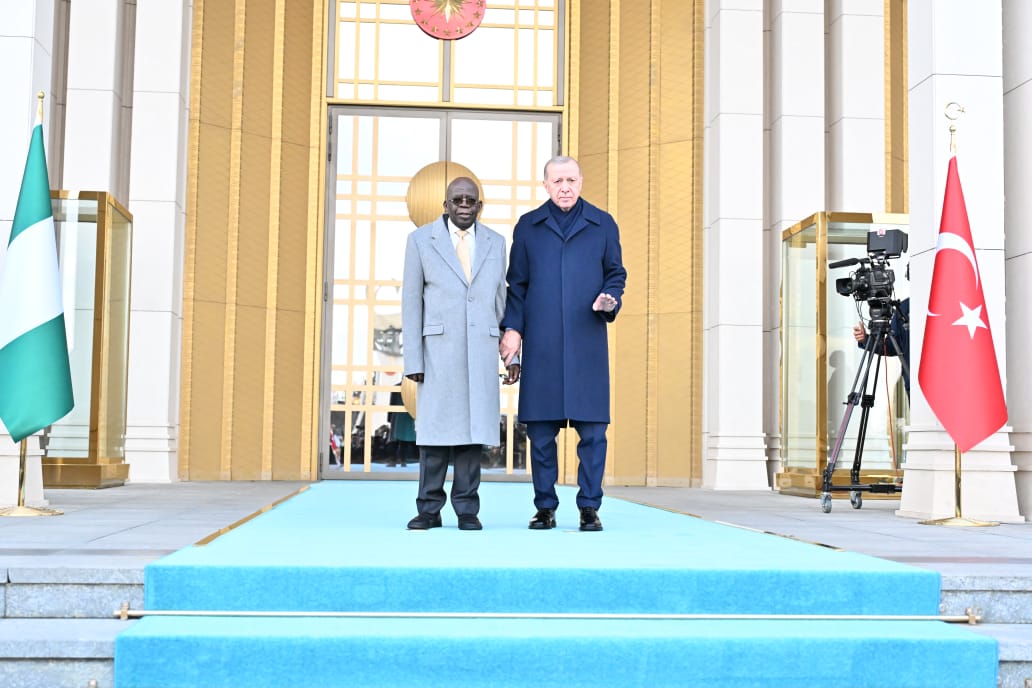
EXCLUSIVE: Why Tinubu, staggered, tripped in Ankara
January 28, 2026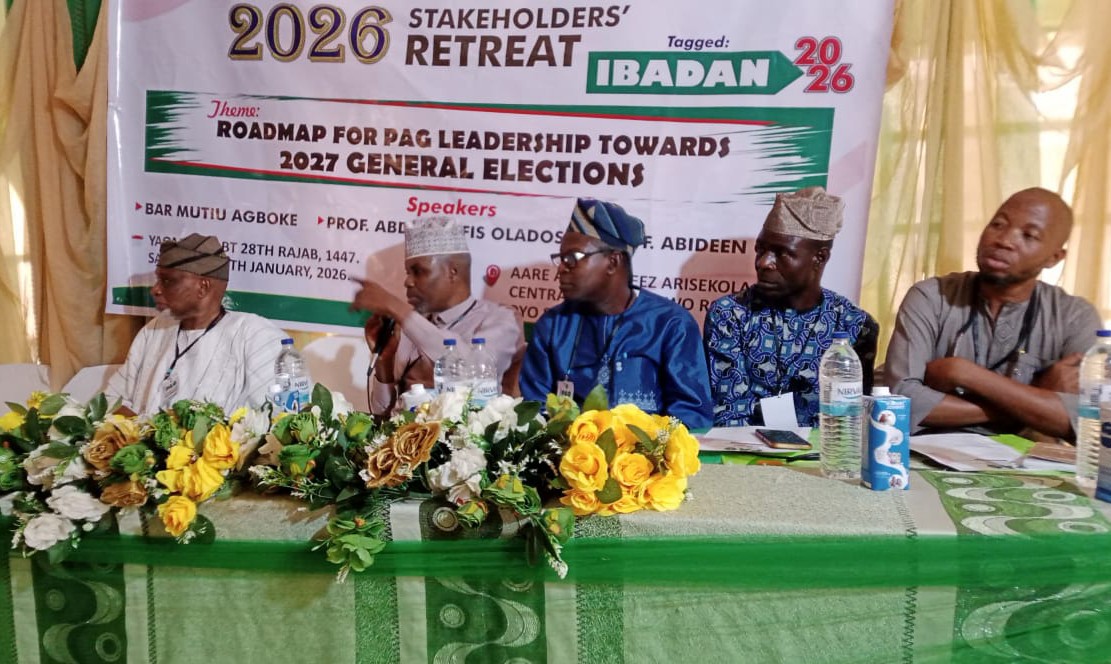
PAG Calls for Active Voter Participation Ahead of 2027 Elections
January 25, 2026
Muslim Ummah Calls for Comprehensive Reform to Address Nation’s Challenges
Muslim Ummah Calls for Comprehensive Reform to Address Nation’s Challenges
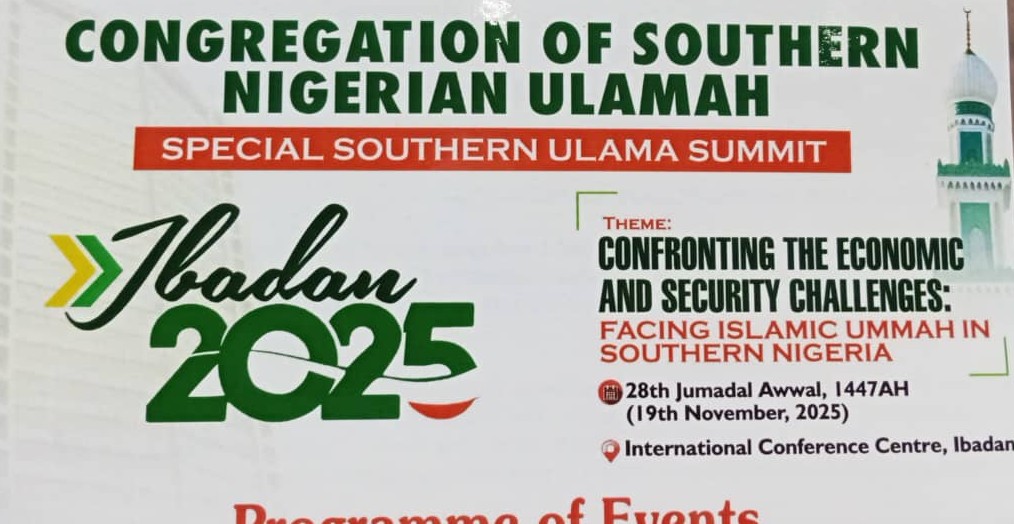
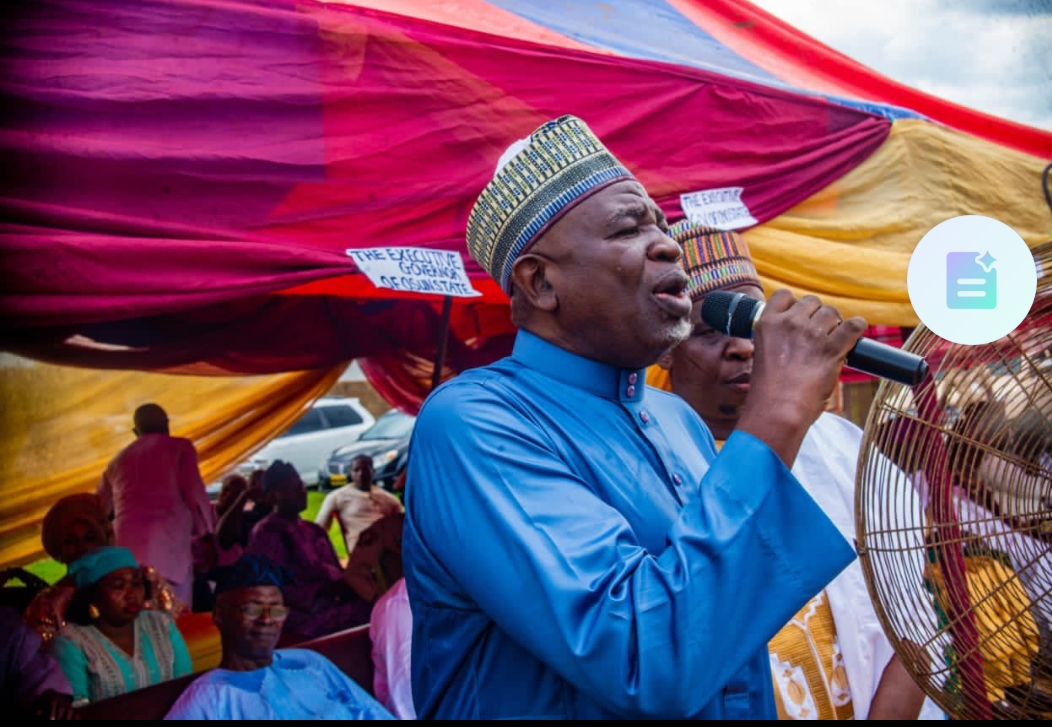
The Southern Nigerian Ulamah has converged on Ibadan and deliberated on national issues affecting Muslims in Southern Nigeria and adopted some resolutions
The Summit which was attended by over 350 scholars, leaders, and delegates from the South-West, South-East, and South-South geopolitical zones also brought together a high-level contingent of Ulamah representatives from Northern Nigeria, brought together a broad spectrum of Islamic organizations including Jama’atu Nasril Islam (JNI), Tijjaniyyah, JIBWIS (Kaduna & Jos), Supreme Council for Shari’ah in Nigeria (SCSN), FASON, Qadiriyyah, Nigeria Council of Ulamah, Jama’atu Tajdidil Islamy,
Others include Muslim Students’ Society of Nigeria (MSSN), NACOMYO, National Islamic Centre (NIC), The Muslim Congress (TMC), Taddamun, Political Awareness Group (PAG), Al-Burhan, Concerned Muslim Organisations, Concerned Yoruba Muslim Scholars, Federation of Muslim Women Associations of Nigeria (FOMWAN) and the Coalition of Women Islamic Organizations, among others.
According to a communique signed by the Convener, Sheikh Isa Akindele Salaudeen and the Chairman, Organising Committee, Professor Olaiya Abideen Olaitan, the Summit reaffirms that unity is both a divine mandate and a strategic necessity noting that Muslim leaders and organisations must prioritise collaboration, harmonization of efforts, and internal cohesion over rivalry and sectarian disputes.
It emphasizes that a United Ummah strengthens political voice, communal dignity, and national impact.
While deliberating on Insecurity, including terrorism, banditry, kidnappings, oil theft, cybercrime, cultist violence, and communal conflict, the gathering calls for comprehensive reforms focused on intelligence-driven security, border protection, strengthening the justice system, youth empowerment, and socio-economic interventions that tackle the root causes rather than symptoms.
According to the Communique, Halal economy is a vital tool for ethical, inclusive, and sustainable national development benefiting Nigerians across religious lines.
The summit points out that through platforms such as Islamic banking, Sukuk bonds, Takaful insurance, and other Halal investments, Nigeria has financed major infrastructure and expanded access to non-exploitative capital for both Muslims and Christians, underscoring that Halal finance is an economic, not sectarian initiative.
The Ulammah cautions against attempts by certain commentators to politicise or religiously frame the Halal economy, noting its nationwide benefits, its adoption in Christian-majority states, and its embrace by non-Muslim nations such as the UK, USA, Japan, and South Africa.
It therefore calls for enhanced national support and expansion of Halal economic frameworks as a key component of Nigeria’s development strategy.
The Summit reiterates that Islam condemns all acts of terrorism, extremism, insurgency, and violence against innocent civilians, regardless of the identity or motive of perpetrators. No individual or group should weaponise Islam to justify criminality, nor should criminal actions be ascribed to the Muslim community.
The Summit also observes that Nigeria’s socioeconomic challenges stem from corruption, mismanagement, institutional weakness, and leadership failures. It calls for fiscal transparency, economic diversification, improved public service delivery, and investments in education, health, agriculture, and technology.
It expresses concern over systemic underrepresentation of Muslims in political appointments, public service, media, education policy, and infrastructural planning across the South and observed that Southern Muslims have not been adequately rewarded for the massive support for the present government during the 2023 general elections.
The Scholars urged government to implement inclusive policies that will reflect the demographic and constitutional rights of Southern Muslims.
The Summit reaffirms the constitutional right of Muslims to practice their faith fully, including access to Shariah courts, Islamic personal law, Islamic education, Halal finance, Islamic burial systems, and religious expression in public institutions. Denial or obstruction of these rights contradicts constitutional guarantees and threatens national cohesion.
It dismisses claims alleging systematic genocide against Christians in Nigeria, noting such narratives fuel division and foreign interference an evidence shows that Muslims constitute the majority of victims of insurgency, extrajudicial killings, displacement, and security operations nationwide, noting that National discourse must be based on truth, data, and justice.
The Summit maintains that Professor Amupitan’s earlier endorsement of religious persecution claims compromises his neutrality as INEC Chairman and calls for his resignation or replacement in the interest of democratic credibility and national unity.
The gathering mourns victims of the recent abductions of 25 secondary school students in Kebbi State, prays for the safe recovery of those still missing, and urges proactive security measures to prevent recurrence and also commiserates with the Nigerian Army and the family of the late Brigadier General Uba, along with personnel killed in the Bula-Tulu (Butallu) operation, praying that Allah comfort the bereaved families.
The Summit commends the sacrifices, professionalism, and courage of the Nigerian Armed Forces and other security agencies in protecting the nation despite limited resources.
It calls for enhanced welfare, equipment, training, and accountability structures to support their mission.
The Summit prays that Allah unite the Ummah, strengthen Nigeria’s leadership, guide its security institutions, and grant the nation lasting peace, prosperity, and stability.
Also,may Allah bless our collective efforts toward a united Ummah and a secure, dignified, and prosperous Nigeria.
Related Posts